
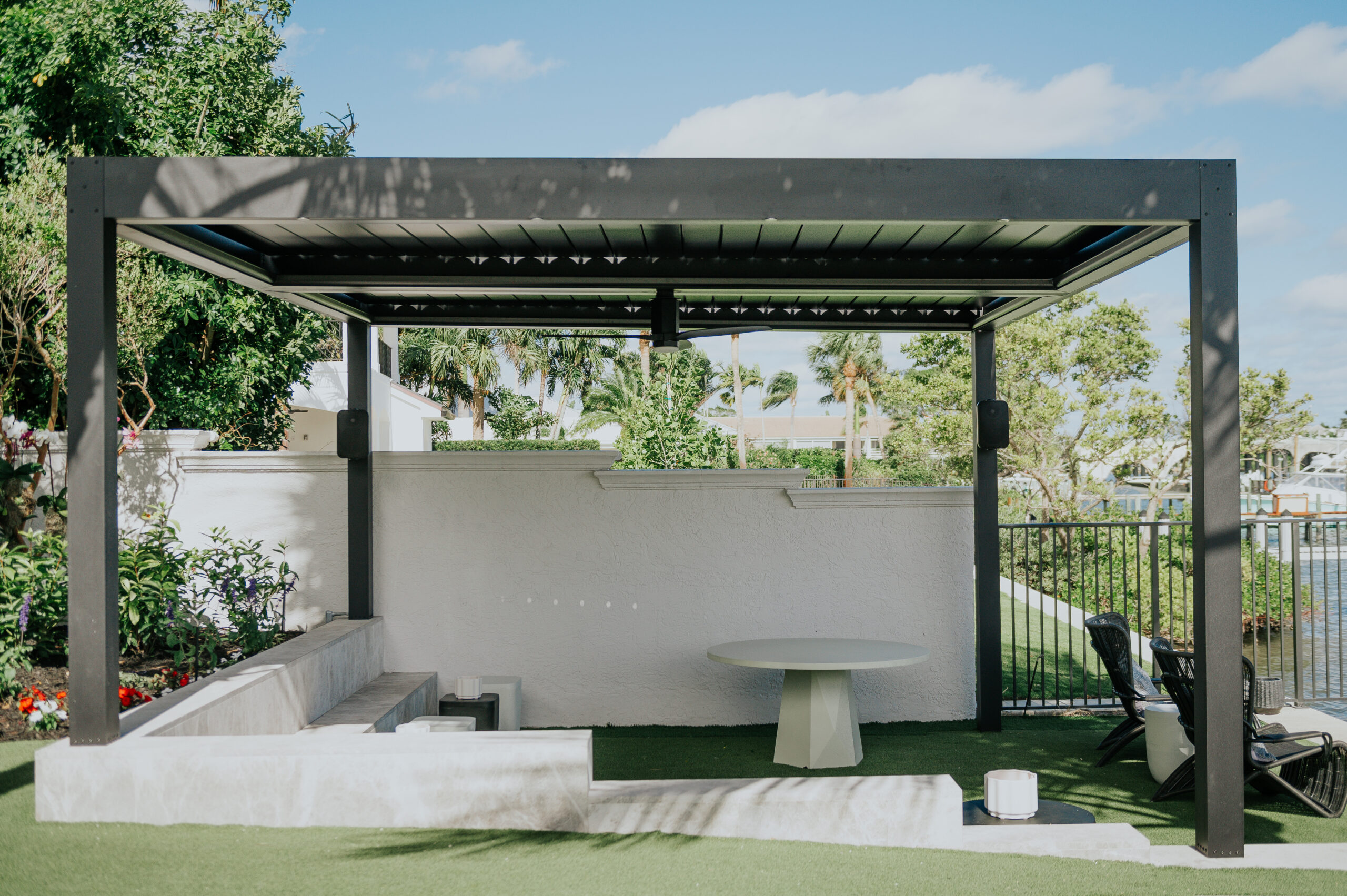
South Florida homeowners want more from their patios. You want a comfortable place to host friends, enjoy family dinners, relax beside the pool, and make the most of the outdoors throughout the year.
But creating a truly functional outdoor living space takes more than adding a roof or installing a few screens. The wrong design choices can leave your patio too hot, poorly ventilated, vulnerable to storms, or difficult to use.
The right approach transforms an underused patio into a lifestyle-oriented retreat: one that balances functionality, comfort, and style. Here are seven common patio enclosure mistakes and how to avoid them.
1. Choosing a One-Size-Fits-All Design
Every property has different needs. A poolside cabana, outdoor kitchen, restaurant patio, country club terrace, and attached backyard living area should not all use the same enclosure design.
Before selecting a structure, consider:
- How you plan to use the space
- The patio’s orientation to the sun
- Proximity to the coast and salt air
- Pool, kitchen, dining, and entertainment features
- Privacy requirements
- Local wind conditions and permitting requirements
- Whether the structure attaches to your home or stands independently
A custom design improves the flow between indoor and outdoor spaces while creating a more intentional architectural appearance. It can also account for the way your family actually lives: morning coffee in the shade, poolside entertaining in the afternoon, or elegant dinners beneath integrated lighting.
Explore custom louvered pergola solutions to see how a tailored structure can complement your home and landscape.
2. Treating Overhead Shade as the Only Priority
Ready to learn more about true outdoor comfort? Start by looking beyond the roof.
A fixed cover may block direct sunlight, but it does not solve every comfort problem. Low-angle morning or afternoon sun, wind, insects, glare, and neighboring views can still make the space difficult to enjoy.
Layered solutions matter. A Motorized Louvered Roof gives you adjustable overhead shade and airflow throughout the day. Motorized Patio Screens add protection from insects, wind, glare, and privacy concerns while maintaining visibility and ventilation.
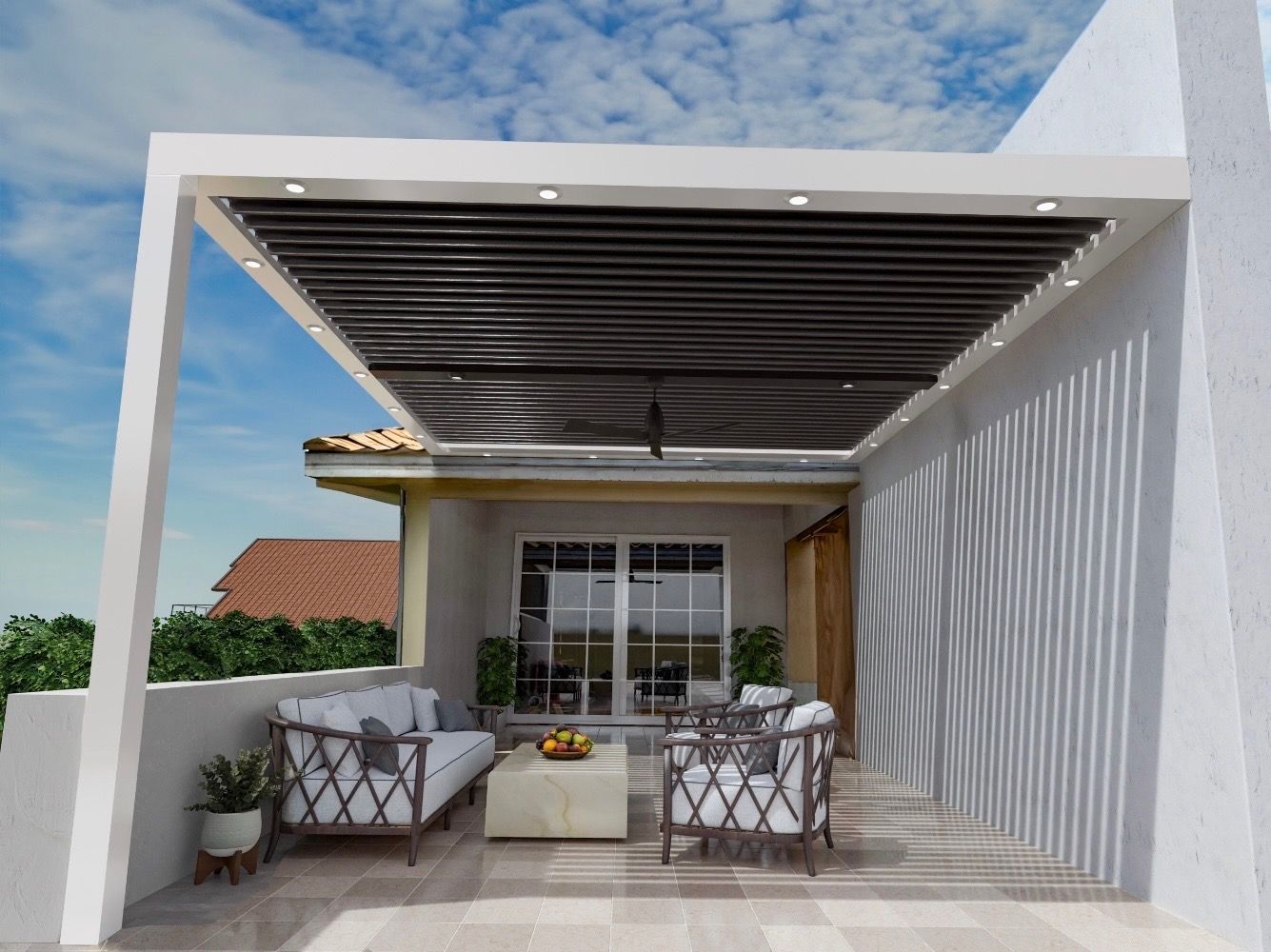
Think of the roof as the ceiling and the screens as flexible walls. Together, they allow you to open the space fully when the weather is beautiful or create a more protected environment when conditions change.
This layered strategy is especially valuable in South Florida, where intense sun, humidity, sudden rain, and coastal breezes can arrive within the same afternoon.
Learn more about Motorized Patio Screens and how they can complete your outdoor room.
3. Installing a Fixed Cover When You Need Flexibility
Fixed covers provide consistent overhead protection, but they do not adapt to changing weather or personal preference.
A Motorized Louvered Roof gives you control at the touch of a button. Open the louvers to welcome sunlight and fresh air. Tilt them for filtered shade and ventilation. Close them when rain begins. With the right design, you can also integrate LED lighting, ceiling fans, speakers, and other outdoor amenities.
That flexibility is vital in South Florida. A patio may be bright and open in the morning, intensely hot in the afternoon, and exposed to a sudden rain shower before dinner.
A louvered roof allows the space to evolve with the day. You are not forced to choose between a permanently shaded patio and an entirely exposed one. Instead, you gain a more seamless way to control the outdoor environment while preserving the open-air experience.
Jupiter Pergola’s systems are designed for everyday comfort as well as the realities of the local climate. Explore more South Florida pergola and patio solutions.
4. Overlooking Ventilation Around an Outdoor Kitchen
Picture a serene outdoor kitchen where guests can gather comfortably while dinner is being prepared. That experience requires more than attractive cabinetry and premium appliances.
Heat, smoke, steam, and cooking odors need room to escape. A solid roof can trap heat above a grill or cooking area, making the space feel uncomfortable and causing smoke to linger.
A properly designed louvered system provides adjustable airflow along with shade and rain protection. Your plan should account for:
- Appliance clearances
- Grill and hood ventilation
- Circulation paths around the kitchen
- Dining and serving areas
- Electrical and lighting requirements
- Drainage away from countertops and appliances
- The relationship between cooking, seating, and pool areas
The goal is not simply to cover an outdoor kitchen. It is to design a comfortable environment where cooking, dining, and entertaining happen naturally.
5. Assuming Every “Hurricane-Rated” Product Is the Same
Marketing language is not enough. In South Florida, you should ask detailed questions before approving any patio enclosure or roof system.
Discuss:
- Engineering documentation
- Site-specific wind-load calculations
- Connection and anchoring details
- Footing requirements
- Florida Product Approval or applicable product approvals
- Permits and inspections
- Installation team qualifications
- How the system should be prepared before a storm
Permanent patio covers and similar structures must be designed around the property, slab, attachment points, exposure, and local code requirements. The Florida Building Code patio cover provisions provide important context for why engineering and permitting matter.
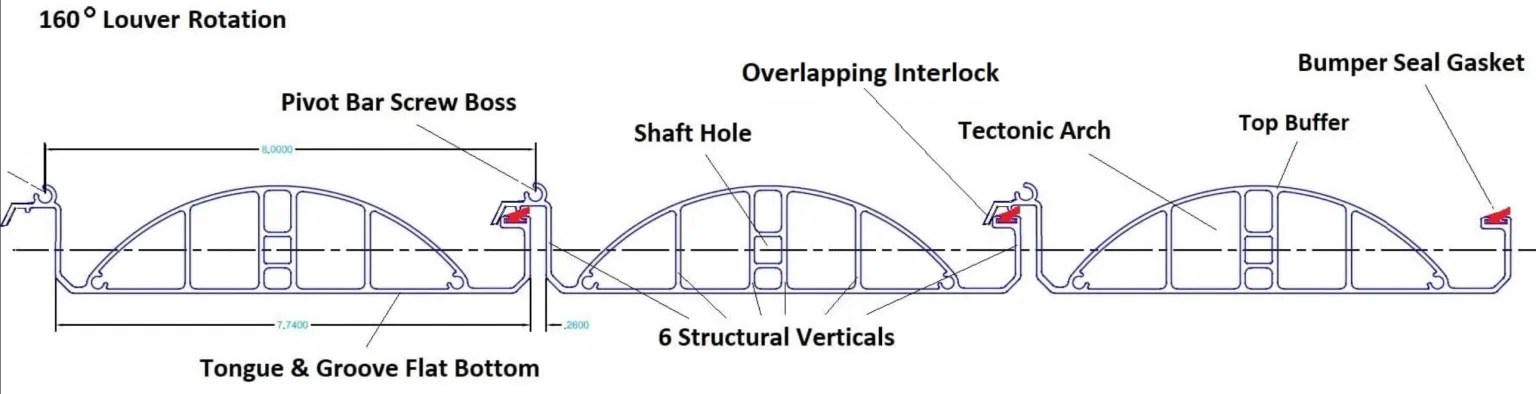
Every project Jupiter Pergola undertakes is Designed, Engineered, Fabricated, and Installed in-house. This integrated process helps create stronger, longer-lasting structures built for intense South Florida weather conditions and hurricane-conscious performance.
A reputable contractor should explain the structure’s design: not simply promise that a generic product is “hurricane rated.”
6. Forgetting About Salt Air and Long-Term Maintenance
Living near the coast is extraordinary, but salt air is demanding. It accelerates corrosion on metal, hardware, appliances, and outdoor furnishings.
When planning custom patio covers, Motorized Louvered Roofs, or Motorized Patio Screens, ask about:
- Aluminum quality
- Powder-coated finishes
- Hardware and fastener materials
- Drainage design
- Cleaning recommendations
- Warranty coverage
- Maintenance requirements for coastal properties
Quality aluminum is highly suited to South Florida outdoor living, but corrosion-resistant does not mean maintenance-free. Regularly rinsing the structure with fresh water helps remove salt deposits before they accumulate. Periodically wash the frame with mild soap and water, clear gutters and drainage channels, and inspect fasteners and moving parts.
Avoid harsh chemicals, abrasive tools, and neglected drainage. A thoughtful maintenance routine protects your investment and helps preserve the refined appearance of your outdoor space.
For more guidance, read How to Protect Your Aluminum Pergola From Salt Air.
7. Working With a Contractor Who Only Handles One Part of the Project
Complex outdoor living projects often involve design, engineering, fabrication, electrical work, permitting, automation, and installation. When those responsibilities are divided among disconnected contractors, communication problems can quickly affect the final result.
Jupiter Pergola designs, engineers, fabricates, and installs its own projects. The company also holds both General Contractor and Electrical Contractor licenses: Florida CGC1530171 and EC13012123: so structural work, motorization, lighting, and electrical components can be coordinated as one project.
This creates a more comprehensive experience from concept to completion. It also gives you one accountable team to manage the details that make a luxury installation feel seamless.
Working with a licensed and insured contractor who understands the local climate is essential. Your contractor should be able to explain engineering, permitting, anchoring, electrical requirements, drainage, maintenance, and storm preparation in clear terms.
Read more about why licensed and insured contractors matter for South Florida outdoor living projects.
Planning Checklist: How to Create a More Functional Patio Enclosure
Before you begin, ask yourself:
- How do I want to use the space?
- Will I cook, dine, entertain, relax, or all four?
- Do I need protection from insects, wind, glare, or neighboring views?
- How much control do I want over sunlight and rain?
- Does the structure connect to my home or stand independently?
- Will it accommodate a pool, outdoor kitchen, television, or dining area?
- Where should lighting, fans, speakers, and electrical connections be located?
- Who will handle engineering, permits, electrical work, fabrication, and installation?
- How will the system be maintained in a coastal environment?
- Is the proposed structure designed for my property and local wind conditions?
Your answers will help shape the ideal combination of Motorized Louvered Roofs, Motorized Patio Screens, lighting, fans, privacy features, and outdoor furnishings.
Transform Your Patio Into a Lifestyle-Oriented Retreat
Your patio can be more than an ordinary space beside the house. It can become a bold, luxurious extension of your home: a place for family breakfasts, poolside celebrations, elegant dinners, and unhurried evenings with friends.
At Jupiter Pergola, we help transform underused outdoor areas into extraordinary living spaces through custom design, local expertise, and white-glove project management. Every project is created around your vision, your property, and the realities of the South Florida climate.
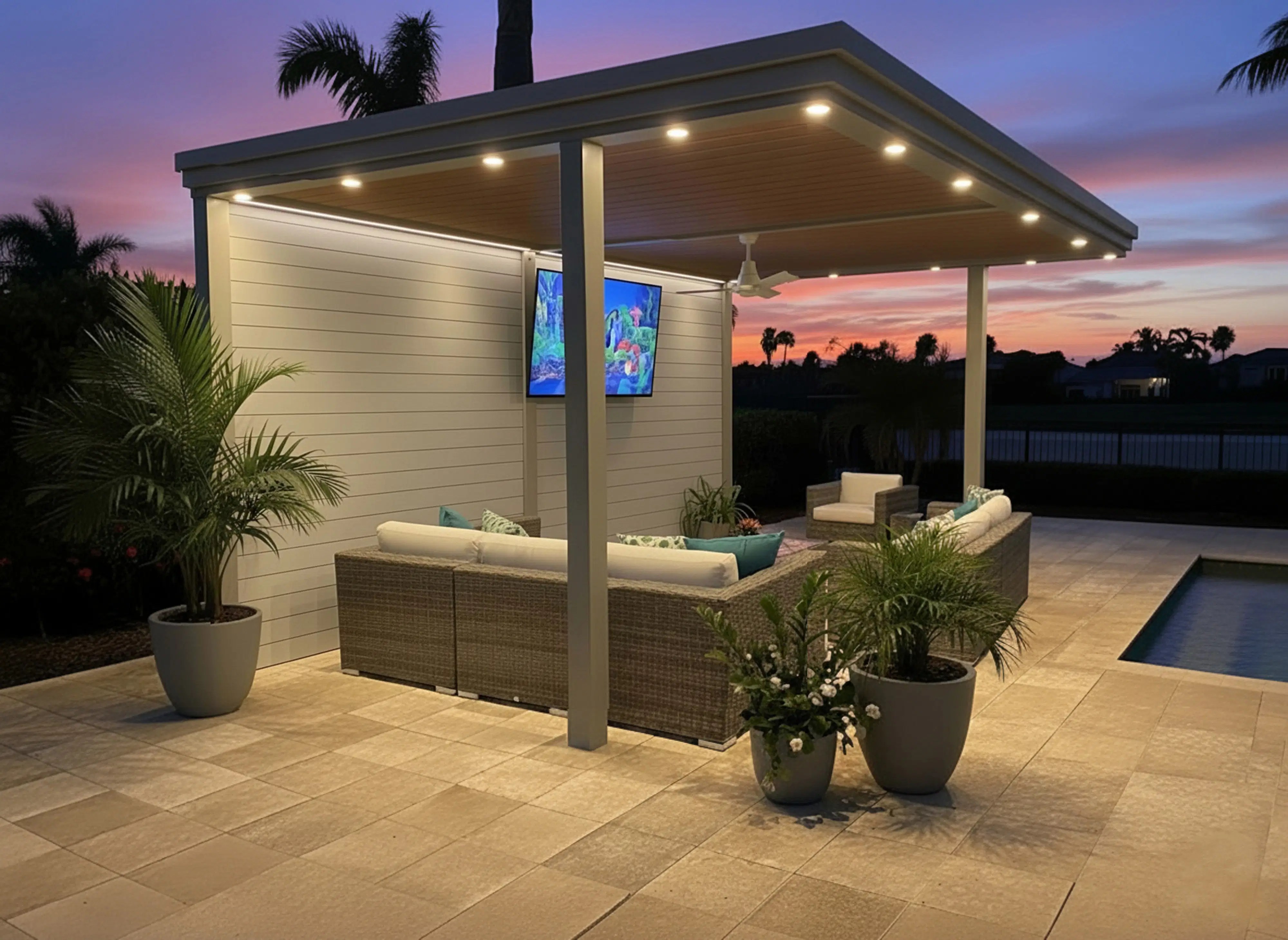
With a Motorized Louvered Roof, you can adjust shade, airflow, and rain protection throughout the day. With Motorized Patio Screens, you can add privacy, insect protection, and relief from glare without losing the connection to the outdoors.
The result is more than a patio enclosure. It is a seamless lifestyle upgrade designed around comfort, functionality, and style.
Dream with us. Request a consultation with Jupiter Pergola and let us help make your vision a reality.
Important Note: Structures are weather resistant, not weatherproof. They are not sealed envelopes like a house. Wind-driven rain, humidity, misting, splashing, and changing weather conditions may still affect outdoor spaces. Final performance depends on the design, site conditions, installation, maintenance, and proper use of the structure and its components.